I have always felt that art and the process of art-making, or engaging with artistic experiences was a form of “medicine” – and it’s why I and so many other artists pursue this path in life: Because art, creativity, collaboration, and art-making are quite therapeutic and beneficial for our wellbeing.
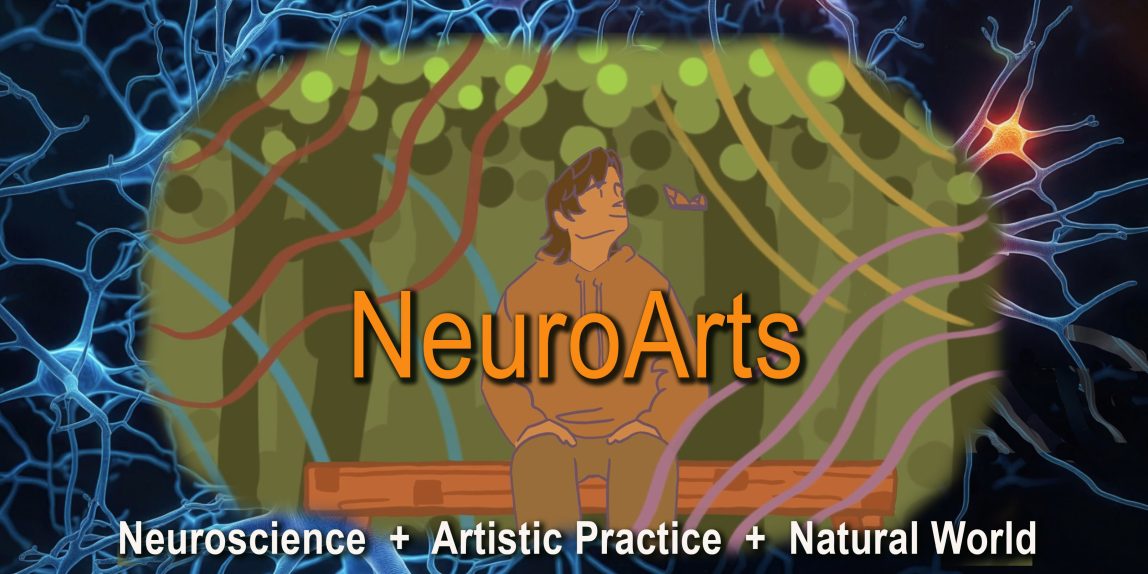
In recent years, thanks to advances in neuroscience and the technologies we use to measure and study the brain, a whole field of study, the “NeuroArts” has emerged as a cutting-edge exploration of the ways that the arts and art-making can provide significant benefits for brain health and emotional wellbeing. Since the pandemic, I’ve focused much of my artistic work on wellness and wellbeing, particularly my work with spatial sound, improvisation, and community art projects like my ongoing “Sound Gardens” series.
Neuroarts is an interdisciplinary field, rooted in the science of neuroaesthetics and ways of knowing, which explores how the arts and aesthetic experiences change the brain, body, and behavior and how this knowledge can be applied to advance health and well-being across society.” READ MORE from NeuroArts BluePrint
“Human Wind Chimes”
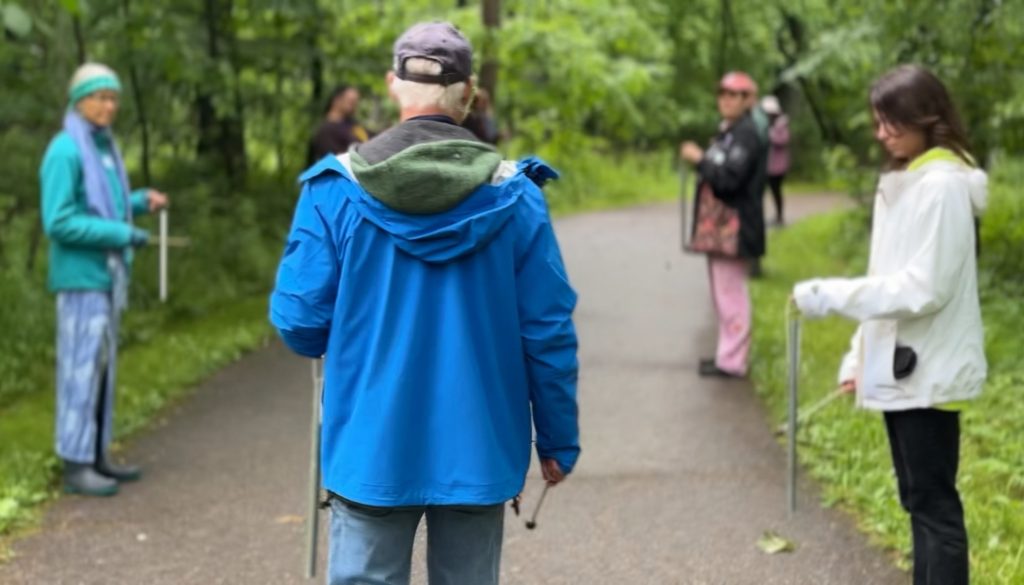
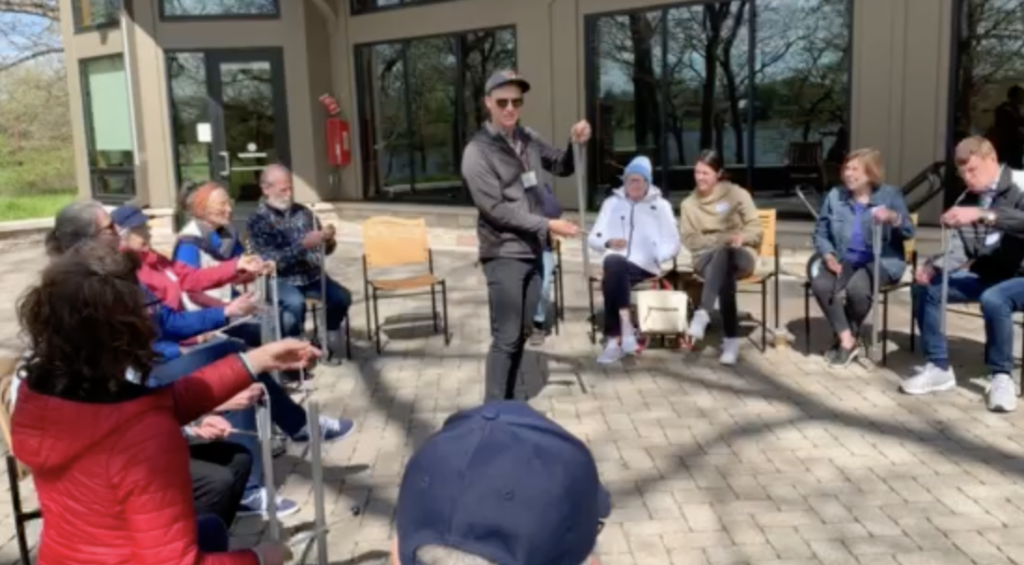
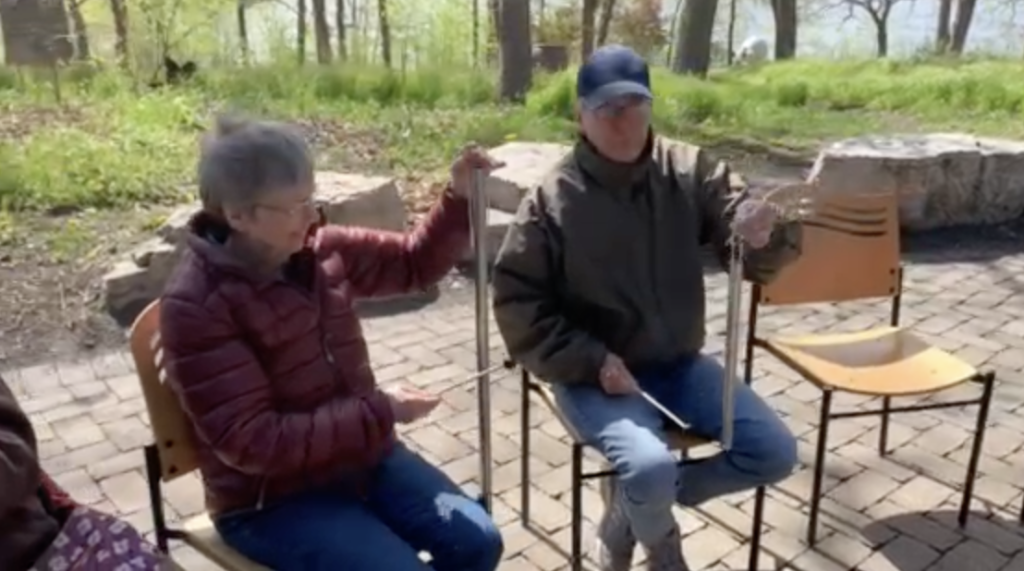
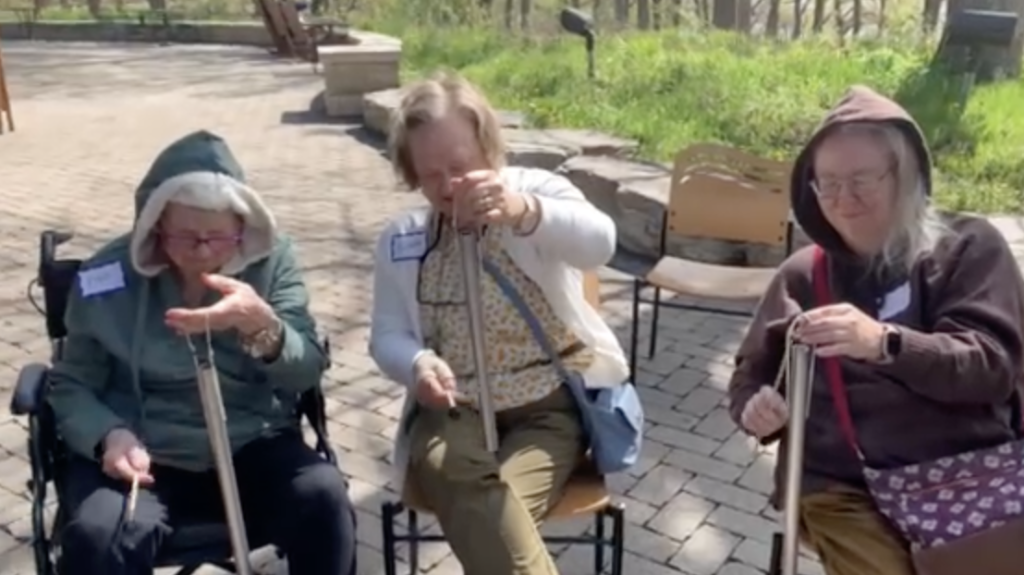
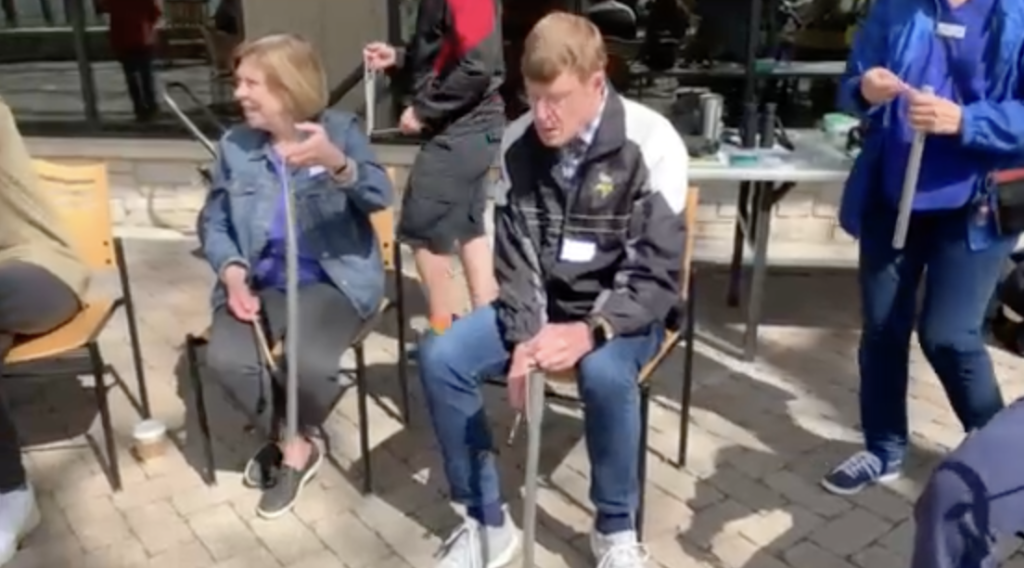
One of the easiest examples I’ve found for demonstrating the powerful effects of spatial sound, improvisation, and connection with nature, is my “Human Wind Chimes” workshops and activities. Fabricated by my friend and sculptor Caroline Keefe, I have a set of custom, modular windchimes that can be played with mallets as single notes or in sets and ensembles, like a bell choir, but with more mobility and possibilities for spatial movement and distribution.
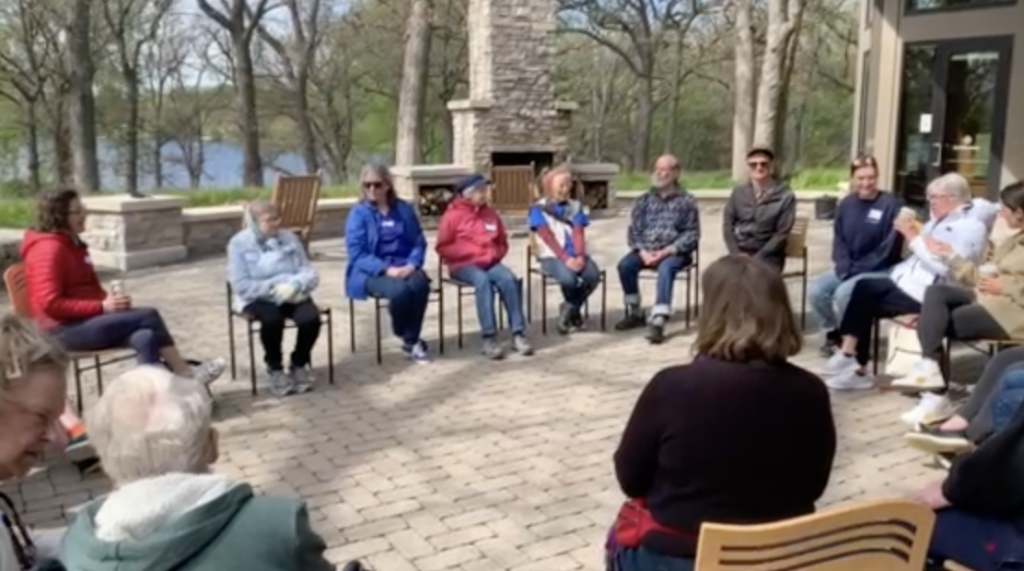
“JG Everest’s interactive “Human Windchimes” spatial sound workshop with our SPARK! program for people with memory loss and their care partners was amazing. Participants connected on a deeper level to nature by listening closely to the birds in the park and connected to each other by collaboratively making a “wind chime” together. While it can be challenging to find ways to make art together for this audience, the simplicity of how the human wind chime worked to create a satisfying, meditative experience was enjoyed by all. The chance to listen deeply and connect to each other was inherent in the way that James facilitated the activity, and his depth of knowledge and passion for sound and people are evident in how he facilitates the experience. We hope that James comes back again and would highly recommend his spatial sound workshops!” – Seth Eberle, Naturalist & Program Coordinator, Silverwood Park.