2026 finds me with three different projects, at three different sites around the state of Minnesota, but who all intersect and inform each other so much so that it feels like one larger, overarching project. I didn’t plan it that way, but these threads, these rivers flow into each other and I just try to follow the current and paddle as able.
For years, I had wanted to visit the Lost 40 old-growth pine forest in northern MN, and through my NaturePlace Artist residency with the US Forest Service, that began in 2024, I was finally able to not only visit, but start planning a new site-specific Sound Garden project for the site.
At the same time, over the past few years, my work with poet and storyteller Rosetta “Rosie” Peters has expanded to include tours to smaller rural and tribal communities around Mni Sota Makoče, including the Lower Sioux Indian Community, Grand Rapids, Aitkin, and Rosie’s hometown of Marine-on-St-Croix. Our tours combine live performances with site-specific poetry and creative writing workshops, providing an opportunity for us to collaborate with local participants in creating a larger presentation for the wider community, either as an “Open mic” reading, or something larger, like a “Sound Garden” performance installation.
In 2024, Rosie and I toured to both Grand Rapids and Lower Sioux, beginning relationships with local artists, organizations, and community members in both places, that have grown into larger collaborations coming to fruition in 2026.
This spring, we brought the Mother Earth Sound Garden to Marine-on-St-Croix, for a 2-day event over Mother’s Day Weekend, which included poems written by several local community members through our free site-specific poetry workshops we held onsite, weeks before the Sound Garden event.
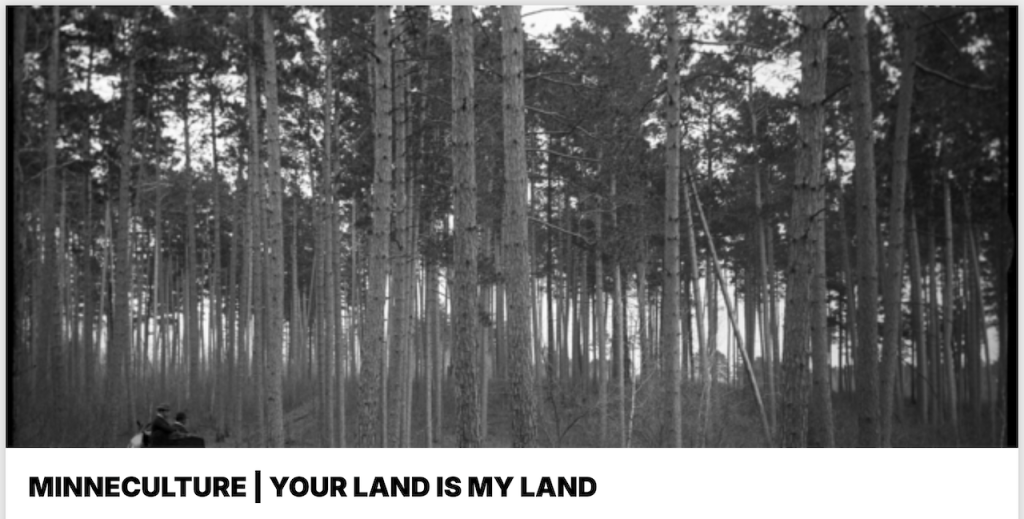
So How are these sites connected? Well, the entire village of Marine-on-St-Croix is on the national register of historic places because it is the site of the first (illegal) permanent colonizer settlement in Minnesota. Why? Because it was the perfect site for the first lumber mill in the state – felled logs could be floated down the St Croix river in the millions, processed at the mill, and then floated down the Mississippi for national distribution. And what is the LOST 40? It’s the last and arguably only old-growth pine forest left in Minnesota after all the other forests were clear cut for lumber in the 1880s.
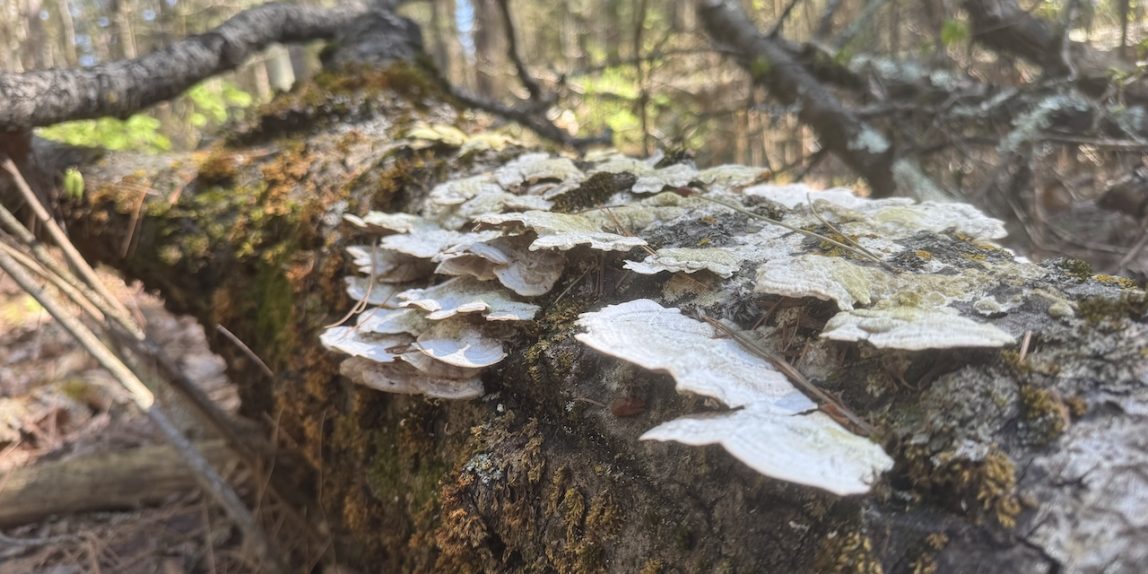
You can’t really understand what an Old Growth forest is like until you spend time inside of one. And there aren’t many left to spend time in. Our extractive economy and priorities haven’t left many “stones” unturned, if there was money to be made. But the Lost 40 is one of the few remaining opportunities to experience what we’re missing, what we’ve lost, what we’re losing when we exploit and extract and clear cut and squeeze every last drop and dollar out of our world.
Rosie is leading us through our hearts to find a path to healing ourselves, and our land. Our project at Lower Sioux culminates with a new Sound Garden at the Lower Sioux Agency site on Saturday, Oct 10, part of Indigenous People’s Day weekend. And the new Sound Garden for / at the Lost 40 will premiere at the end of October / Early November, depending on the weather and temperatures.